
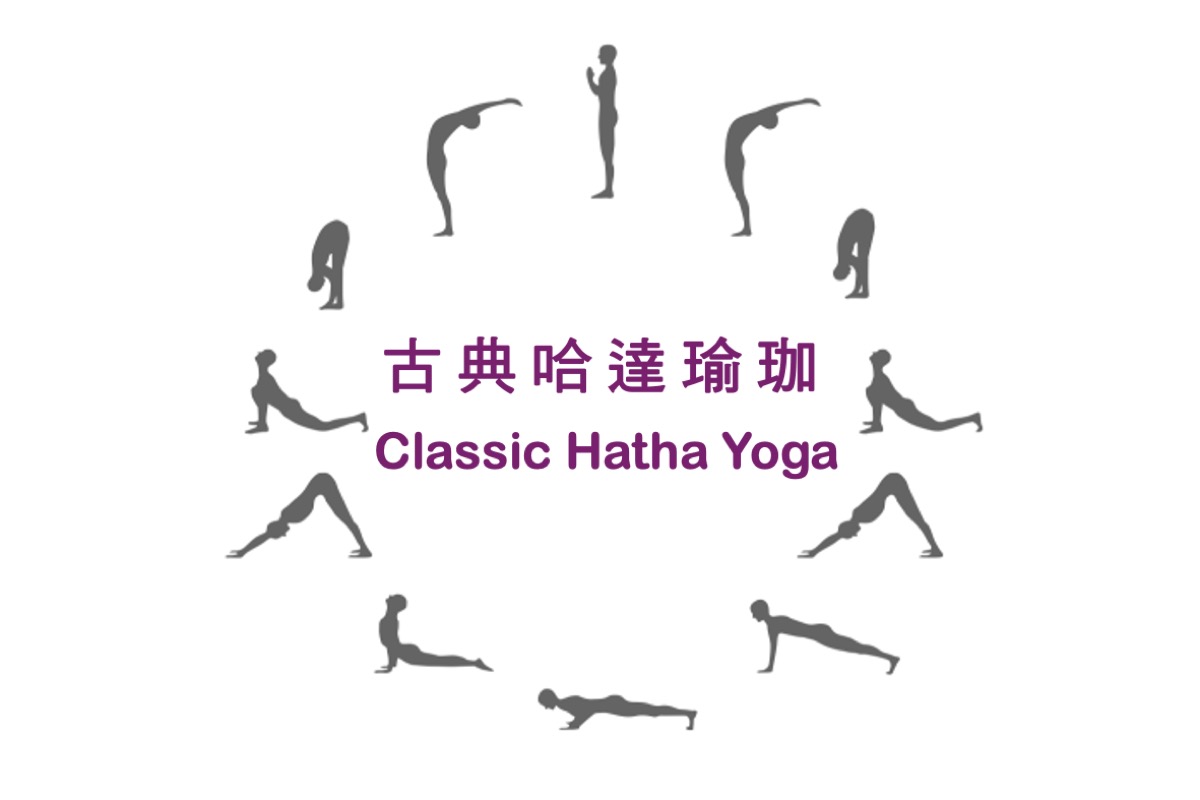
适合初学者轻松、安全地开始瑜伽之旅 ,更能让有经验的练习者发掘身体不同的觉知与感受,在提升练习的深度与广度的同时自然静心,让身心恢复平衡舒适的状态。
依循古老瑜伽经典的精髓练习,体式能带来身心整体健康。课程进行中老师没有繁复的细节口令,而以最精简的方式引导学员缓慢练习,在宁静与和平的氛围中,无压力而从容不迫地进入体式与结束练习,享受练习的功效与快乐,并远离运动伤害。
相较近代的体式练习方式较强调肌肉、关节的细节,古典哈达强调关照并觉察身体的每一个部分,如何从外层大肌群、内层小肌群再到心念的感受及向内收摄的心,整个过程必须相当专注呼吸及强调如何用最少部分力量完成或停留在动作上。练习中呼吸是最重要的指针,姿势的深度以能保持稳定的呼吸而决定,不依赖肌肉的紧张与努力,让身体自然进入姿势,这正是瑜伽经第二篇第46句对体式的定义「体式是稳定与舒适的姿势」。
这样练习的方式能帮助练习者提升对身体的觉察力与敏感度,并且不过度刺激交感神经,有助于自律神经维持平衡状态,预防、舒缓因自律神经失调所带来的身心问题。
古典哈达的体式编排顺序,主要是先从头倒立类的动作开始,其后依序为仰卧姿、俯卧姿、坐姿、跪姿、站姿最后回到摊尸式,其顺序刚好呼应人类的出生与成长过程,每一次的练习就像一次重生。
古典体式练习重点主要是脊椎、内核部位、内脏、内分泌与神经系统,以身心保健修复为主要目的,这些部位同时也是能量系统的能量脉、脉轮所在的对应位置,在锻炼生理层面同时也是修炼能量系统,更为了后续的呼吸控制法、静坐打下稳固的基础。
除了体式,课程中指导老师将视当天学员状况,弹性加入呼吸、梵唱、专注或静坐练习。
#呼吸静心 #放松舒压
Suitable for beginners to start their yoga journey with ease and safety, while also helping experienced practitioners deepen their bodily awareness and sensations.
This approach naturally cultivates mindfulness and brings the body and mind into a balanced, comfortable state as the practice’s depth and breadth expand.Following the essence of ancient yoga classics, the asanas promote holistic physical and mental health. During classes, instructors avoid complex or lengthy verbal cues, guiding students with simple, slow-paced instructions. In a calm and peaceful atmosphere, practitioners can enter and exit postures without pressure, enjoying the benefits and joy of the practice while minimizing the risk of injury.
Compared to modern asana practices that emphasize muscular and joint details, classical Hatha focuses on sensing and caring for every part of the body—from the large outer muscles to the smaller inner muscles, then to the mind’s awareness and inward concentration. This process demands focused breathing and emphasizes using minimal effort to hold or move through postures. Breath is the key indicator in practice; the depth of a pose is determined by the ability to maintain steady breathing rather than relying on muscular tension or strain. The body naturally settles into the posture, which aligns with the Yoga Sutras’ definition of asana as “a steady and comfortable posture” (Chapter 2, Verse 46).
This practice enhances practitioners’ body awareness and sensitivity without overstimulating the sympathetic nervous system. It supports autonomic nervous system balance, helping to prevent and relieve mind-body issues caused by autonomic dysfunction.
The classical Hatha sequence begins with inversions, followed by supine, prone, seated, kneeling, standing postures, and concludes with Savasana. This progression symbolically mirrors human birth and growth, making each practice feel like a rebirth.
The classical asana practice emphasizes the spine, core, internal organs, endocrine, and nervous systems, focusing on physical and mental health restoration. These areas correspond to energetic pathways and chakras, strengthening both the physiological and energetic systems—laying a solid foundation for subsequent pranayama and meditation practices.
In addition to asanas, instructors flexibly incorporate breathwork, chanting, focused attention, or meditation based on students’ needs each session.
#Pranayama & Meditation #Relaxation & StressRelief